
We’ve Got Answers
General Roofing Based Queries
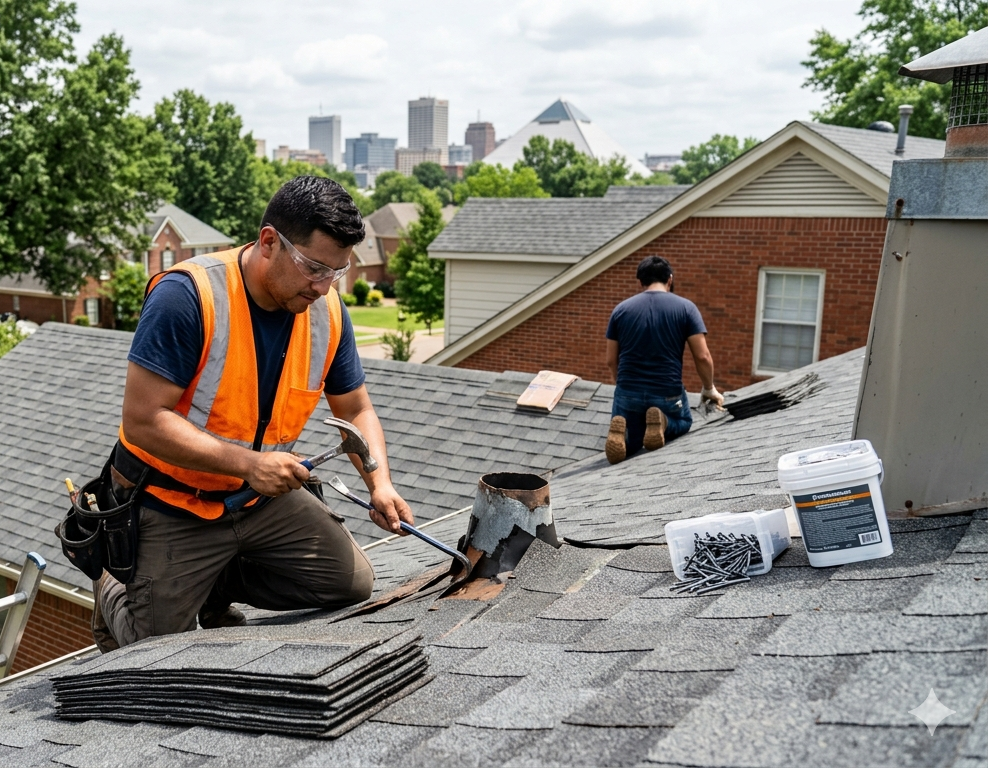
What Types Of Roofing Materials Do You Offer?
Asphalt Shingles: The most popular and cost-effective choice, typically lasting 15–30 years.
How Do I Know If My Roof Needs Repair Or Replacement?
Signs for Repair: Localized leaks, a few missing shingles, or minor flashing damage on a roof less than 15 years old.
Signs for Replacement: Multiple active leaks, widespread shingle curling or granule loss, visible sagging, or if the roof is over 20–25 years old
How Long Does A Roof Installation Typically Take?
Timeline varies primarily by material and roof complexity, generally 1-2 days.
How Often Should I Have My Roof Inspected?
You should have your roof professionally inspected at least once a year, ideally in the spring or fall.
Do You Offer Warranties On Your Roofing Work?
Manufacturer’s Warranty: Covers defects in the roofing materials themselves (e.g., shingles, underlayment). These often range from 10 to 50 years.
Workmanship Warranty: Provided by the contractor to cover installation errors and labor defects. Reputable contractors typically offer at least 2 years of coverage, while some provide lifetime workmanship warranties.
What Signs Indicate A Roof Leak?
Interior Damage: Brown, yellow, or rust-colored water stains on ceilings or walls.
Visible Dripping: Active water dripping during rainstorms or immediately afterward.
Attic Evidence: Wet insulation, dark spots on rafters, or "shiners" (frosted nails).
External Clues: Missing, cracked, or curling shingles, and excessive granules in gutters.
Can You Repair A Flat Roof?
Yes, flat roofs can be repaired using methods such as patching, resealing, or resurfacing.
How Can I Maintain My Roof To Extend Its Lifespan?
Regular Inspections: Schedule professional inspections at least twice a year (spring and fall).
Gutter Care: Keep gutters clear of debris to prevent water from backing up under shingles.
Tree Trimming: Maintain a 10-foot clearance between overhanging branches and your roofline.
Questions? We’re Ready
Roofing Installation Based Queries
Get Answers Fast
Maintenance Based Queries
Q1
What Should I Do Before A Roofing Project Starts? Clear the Area: Move vehicles from the driveway and clear the yard perimeter of outdoor furniture, grills, and toys to provide access and protect belongings from falling debris.
Q2
Do You Handle Both Residential And Commercial Roofing? Residential Roofing: Typically involves steep-sloped roofs and materials like asphalt shingles, metal panels, or tiles. Projects are often smaller and may have fewer complex penetrations other than chimneys and standard vents.
Commercial Roofing: Usually involves large, low-sloped or flat roofs that use specialized materials such as TPO, EPDM, or modified bitumen membranes. These roofs often accommodate heavy rooftop equipment like HVAC units and require specialized drainage systems and safety protocols. We offer both Residential and Commercial roofing.
Q3
How Do You Ensure The Safety Of Workers? Training and Equipment: Workers receive in-depth training on hazard identification, emergency response, and the safe handling of tools and materials. They are equipped with proper personal protective equipment (PPE) including helmets, gloves, and protective footwear.
Q4
Do You Offer Emergency Roofing Services?Yes, emergency tarping is offered upon request if needed.